
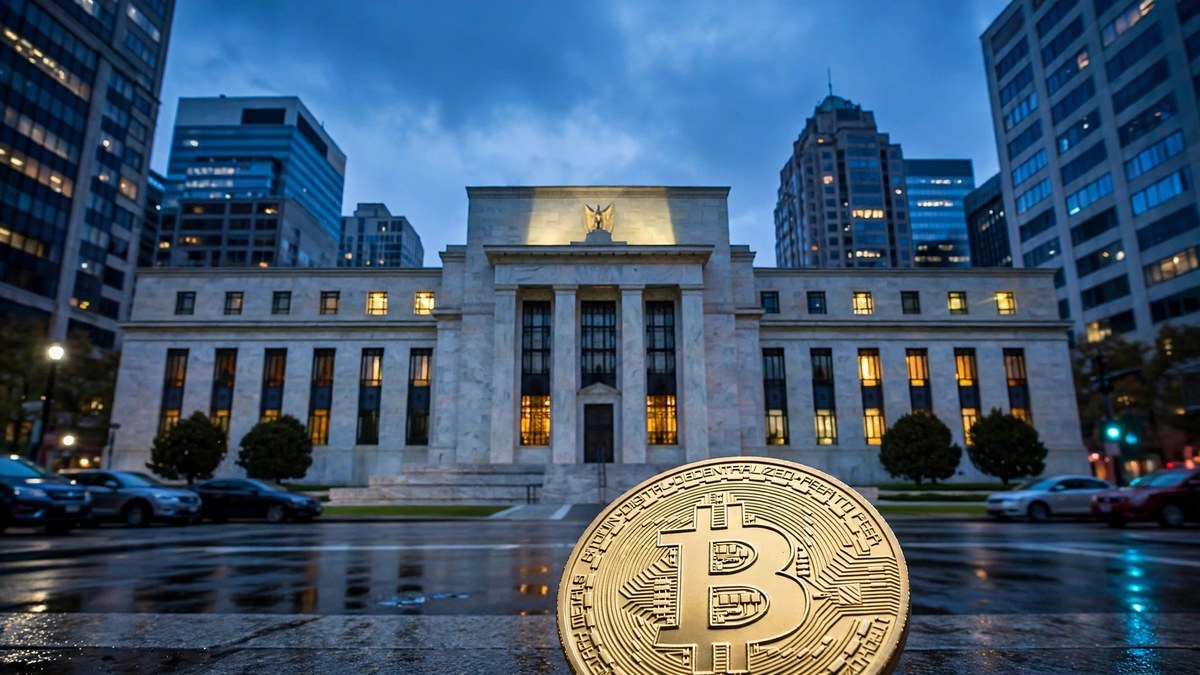
Bitcoin woke up to a macro ambush on Friday. The October jobs report came in hot — 165,000 new payrolls against just 65,000 expected — and traders immediately repriced the odds of a December rate hike to roughly 80%. That’s a big jump from around 70% the day before, and it changed the whole conversation for crypto. Suddenly, the bitcoin december rate hike odds matter more than any chart pattern, because the Fed is back in the driver’s seat.
Look, crypto likes to pretend it’s its own world, but weeks like this one prove it isn’t. Bitcoin briefly pushed above $76,100 after the report, then settled back near $75,500. The jobs number didn’t crash Bitcoin — but it did remind everyone that the price of money is still the biggest force in this market, bigger than any ETF flow or liquidation cascade.
In this article
What the jobs report actually said
The headline number was the surprise: 165,000 jobs added in October, more than two and a half times the 65,000 economists expected. That’s not a small beat. It’s the kind of number that makes traders tear up their rate-cut bets and start pricing in the opposite direction.
Here’s why that matters for Bitcoin. When the Fed raises rates — or even when traders just think it might — borrowing gets more expensive, cash starts paying more, and risky assets like crypto lose some of their shine. Money that was happy to sit in Bitcoin when rates were falling suddenly has a safer place to earn a return. It’s not that Bitcoin becomes worthless; it’s that the competition for your dollars gets tougher.
The repricing was fast. December hike odds jumped to around 80% within hours of the release, and the move rippled through everything: stocks wobbled, the dollar firmed up, and Bitcoin’s brief push above $76,100 faded as quickly as it came. Traders are now treating a December hike as the base case, not a tail risk.
Why the bitcoin december rate hike odds are moving crypto again
There was a time, not that long ago, when Bitcoin marched to its own drum. ETF launches, halving cycles, on-chain data — those were the stories that moved the price. This week has been a throwback to the old regime, where a single government data release can swing the market more than anything happening inside crypto itself.
The jobs report landed on top of an already brutal week. Tech stocks sold off hard on Thursday, Bitcoin ETFs bled $430 million the same day, and Friday brought another $412 million of ETF outflows. The market was already risk-off before the payrolls number hit. The hot print just gave the sellers a fresh reason to stay sellers.
Honestly, this is the part of crypto that trips up newcomers. You can be right about Bitcoin’s long-term story and still lose money in a week like this, because the short term belongs to interest rates. The Fed doesn’t care about your diamond hands. It cares about inflation and employment, and right now employment looks strong enough that the Fed doesn’t need to rush to cut — or might even hike again.
What Bitcoin holders should watch now
The next data point that matters is inflation. If next week’s inflation prints come in hot too, the hike odds climb higher and the pressure on Bitcoin grows. If inflation cools, the market gets room to breathe and the jobs number starts to look like a one-off rather than a trend.
Watch the bond market as well — it’s the fastest-moving vote on where rates are headed, and crypto traders ignore it at their peril. And watch Bitcoin’s own key level: the 50-week moving average near $75,556. A hot macro tape plus a break below that line would be a rough combination. A soft inflation print plus a hold above it would flip the mood fast.
The bigger lesson is simple and a little uncomfortable: Bitcoin’s price right now is a bet on the economy as much as a bet on crypto. The jobs report just told us the economy is running hotter than expected. Until the data changes, that’s the wind Bitcoin is sailing into — and it’s blowing from the front.
This article is for education only — not financial advice. Crypto is volatile, so do your own research before buying anything.



Leave a Reply