
CYBER Bridge Scare: Upbit and Bithumb Halt Transfers After Mystery Minting on Solana
The cyber bridge halt Upbit Bithumb announced on Sunday was the kind of headline nobody in crypto wants to wake up to. Cyber, the project behind the CYBER token, reported unexpected minting of CYBER tokens on Solana — tokens that, by the project’s own account, should never have existed — followed by tokens moving out of the project’s Ethereum bridge lockbox. Within hours, Upbit and Bithumb, two of South Korea’s biggest exchanges, suspended CYBER transfers on November 22 while the project investigates. Roughly $968,000 worth of tokens was sold for ETH in the chaos. Trading continued, but deposits and transfers were frozen, and holders were left refreshing official channels for answers.
If you are new to this corner of crypto, here is the short version. A bridge lets a token move between blockchains. When you move CYBER from Ethereum to Solana, the bridge locks your tokens in a vault — the lockbox — on Ethereum and mints an equal amount on Solana. One token in, one token out. The books are supposed to balance, always. Unexpected minting breaks that deal completely. If tokens appear on Solana without matching tokens locked on Ethereum, somebody has created supply out of thin air, and the first question everyone asks is the obvious one: how many, and who is holding them?
That is why the exchanges moved so fast. When a bridge looks compromised, every hour of open transfers is another hour in which questionable tokens can be moved, sold, or washed through other platforms. Freezing deposits and withdrawals is the blunt instrument exchanges reach for first, and honestly, it is the right one. It does not fix the underlying problem, but it stops the bleeding while the project figures out where the hole is. The incident led the day’s crypto news coverage, and the $968,000 sold for ETH is the detail that will get the most attention. That is not a huge number by crypto standards, but the direction of travel matters more than the size. Tokens moving out of a bridge lockbox and being swapped for ETH looks like someone cashing out, not a routine transfer.
In this article
Cyber Bridge Halt Upbit Bithumb: What the Freeze Means for Holders
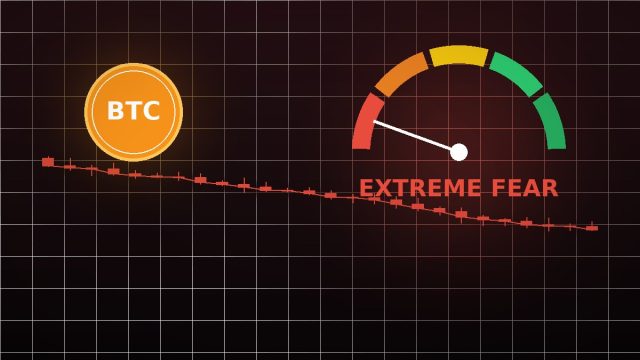
Timing is everything, and the timing here could hardly be worse. Bitcoin is trading around $60,700 to $61,200 after flushing to $55,130 over the weekend, and the whole market is still nursing its wounds from a November that has now erased 22% of Bitcoin’s value. The total crypto market cap sits near $2.08 trillion, and the Fear and Greed Index reads 11 — extreme fear, for the tenth straight day. SOL fell below $70 alongside XRP in the altcoin rout on Friday, a reminder that the weakness is everywhere. In a market this jumpy, any hint of a bridge problem hits harder than it would in a calm month. Traders are already looking for reasons to sell, and a mystery minting hands them one.
Bridges are the soft underbelly of crypto — anyone who has been around for a few years has watched this movie before. The Binance hack, with 192 tokens named in court documents, was a different kind of incident, but it carried the same lesson: a pile of tokens in one place is a target. When a project says its bridge is under investigation and exchanges have frozen transfers, do not hunt for a backdoor route to move your tokens. The only statements that matter are the ones from the Cyber project itself and from Upbit and Bithumb.
What CYBER Holders Should Watch Next
So what comes next? The project is investigating, and that is genuinely where things stand. The questions holders need answered are simple, even if the answers will not be. How many CYBER tokens were minted that should not have been? How did tokens leave the Ethereum bridge lockbox? Is the minting stopped, or could more tokens appear? And what happens to the tokens that were sold for ETH — can they be traced or recovered? Until the Cyber team answers those questions in detail, the transfer freeze is likely to stay in place, and that is the right call.
The reopening of transfers will be the real signal that this is over. Exchanges do not unfreeze a token on a promise; they unfreeze it when they have seen evidence the hole is closed and the books balance again. Watch for that announcement from Upbit and Bithumb, not for a price bounce. A token can bounce on thin weekend trading for no reason at all. For now, the CYBER story is a reminder of something crypto veterans repeat until they are blue in the face: the riskiest part of this market is rarely the token you bought. It is the plumbing underneath it. Even established bridge-style plumbing like Zelle’s stablecoin on Solana depends on the same trust in the pipes. This weekend, one of them did not hold.
This article is for education only — not financial advice. Crypto is volatile, so do your own research before buying anything.


Leave a Reply